Top ICU Nursing Certifications: Enhance Your Critical Care Skills

Hello NurseLife community! As an experienced nurse midwife, I've seen first-hand how critical care skills can make all the difference in patient outcomes. The ICU can be an intense and challenging environment, but with the right training, nurses can master the essential skills needed for critical care nursing. Today, I'm going to share some of the top ICU nursing certifications you can earn to enhance your professional growth and patient care.
Introduction to ICU Nursing Certifications
Importance of ICU Nursing Certifications
Acquiring an ICU nursing certification demonstrates a commitment to excellence, a high level of competence, and the ability to provide high-quality care. It not only adds value to your resume but also increases your credibility among colleagues and patients alike. As the American Association of Critical-Care Nurses (AACN) points out, nurses with certifications have improved patient outcomes and lower mortality rates.
ICU Nursing Skills Overview
ICU nursing is a specialty that requires a unique set of skills. These skills include advanced clinical knowledge, critical thinking, rapid decision making, effective communication, and emotional resilience. All these skills are tested and honed through ICU nursing certifications.
Essential Nursing Skills for the ICU
Critical Thinking and Decision Making
In the ICU, conditions can change rapidly, and nurses need to make quick decisions that can have a significant impact on patient outcomes. Critical thinking skills allow nurses to assess patient conditions effectively, interpret data accurately, and make informed decisions efficiently.
Emergency Response
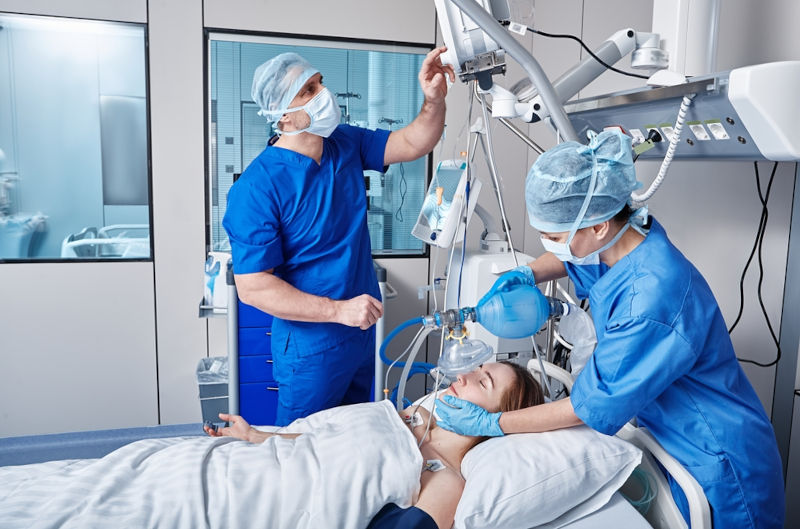
The ICU is often the first line of response for emergencies. Nurses must be equipped with the necessary skills to handle emergency situations, from administering life-saving treatments to coordinating with the medical team.
Patient Monitoring
Monitoring patients in the ICU involves more than just checking vital signs. It includes assessing the patient's overall condition, interpreting complex monitor readings, and recognizing early signs of deterioration.
Communication Skills
Effective communication is crucial in the ICU. Nurses need to communicate with the healthcare team, patients, and their families. They must be able to convey complex medical information in a way that is understandable and empathetic.
Top ICU Nursing Certifications
Critical Care Registered Nurse (CCRN)
The CCRN certification is one of the most recognized ICU nursing certifications. It validates that a nurse possesses advanced knowledge and clinical expertise in critical care nursing. This certification is offered by the AACN and requires a current RN or APRN license and at least 1,750 hours of direct bedside care in critical care within the last two years.
Progressive Care Certified Nurse (PCCN)
The PCCN certification is designed for nurses who provide direct care to acutely ill adult patients. It validates a nurse's ability to manage conditions commonly seen in progressive care, such as cardiac surgery, sepsis, and acute kidney injury.
Certified Pediatric Nurse (CPN)
The CPN certification is for nurses who specialize in pediatric care. It demonstrates advanced knowledge in caring for critically ill or injured children.
Certified Flight Registered Nurse (CFRN)
The CFRN certification is geared towards nurses who provide critical care during air or ground transport. It tests a nurse's knowledge in areas like flight physiology, transport safety, and care for patients with specific conditions like trauma or burns.
Obtaining Your ICU Nursing Certification
Eligibility Criteria
To qualify for these certifications, you generally need to have a certain amount of experience in intensive care or a related field. For instance, for the CCRN certification, you need at least two years of experience as an RN in a critical care setting.
Preparation and Study Resources
The AACN offers various study materials, including review courses, textbooks, and practice exams. Joining study groups can also be helpful.
Certification Examination
The certification exams typically consist of multiple-choice questions testing your knowledge and clinical judgment in critical care nursing. The test content outline and sample questions are usually provided to help you prepare.
Maintaining Your Certification
Certifications need to be renewed every few years. This usually involves continuing education and/or practice hours in your specialty area.
Career Advancements with ICU Nursing Certifications
Career Opportunities
ICU nursing certifications open doors to a variety of career opportunities, from ICU nurse manager to critical care nurse educator. They can also lead to higher-paying jobs, as employers often recognize and reward the additional expertise that these certifications represent.
Salary and Job Outlook
According to the U.S. Bureau of Labor Statistics, the median annual wage for registered nurses was $75,330 in May 2020. However, nurses with specialized certifications, such as those in critical care, often earn significantly more.
In conclusion, earning an ICU nursing certification is an investment in your career that can lead to enhanced skills, greater job satisfaction, and improved patient outcomes. If you're ready to take your nursing career to the next level, consider pursuing one of these certifications.
Next steps? Check out our NurseLife jobs page for current openings in ICU nursing, and join in the discussion on our forum to connect with others who've taken the certification journey. Happy nursing!
Related Reading
Written by Emily Davis
Emily is a Certified Nurse Midwife with a passion for women's health and childbirth. She values patient-centered care and building strong relationships with her patients.
You might also like
Comparing Essential ICU Nursing Skills and General Nursing Skills
As a nurse with over 20 years of experience specializing in surgical and perioperative care, I've seen the demanding requirements of various nursing specialties. One area that stands out is Intensive Care Unit (ICU) nursing. A specialized field, it requires a...
Career Paths for Certified ICU Nurses: A Comprehensive Guide
Hello, I’m Robert Smith, a certified critical care nurse with years of hands-on experience in ICU settings. Navigating the world of ICU nursing can be a rewarding yet daunting journey. In this blog post, I'll provide a comprehensive guide on the...
Preparing for ICU Nursing Certifications: A Comprehensive Guide
As a mental health nurse practitioner, I understand the significance of specialized nursing skills. Today, we'll delve into one of the most challenging yet rewarding specialties – Intensive Care Unit (ICU) nursing. We'll cover the importance of ICU nursing certifications, the essential...
The Certification Process for ICU Nurses: A Comprehensive Guide
Hello, fellow nurses. I'm Karen Morris, BSN, RN, and I'm here today to share some of my professional expertise. With over 20 years in the nursing field, I've seen firsthand how critical ICU nursing skills can be. Today, we're going to...

No comments yet. Be the first to share your thoughts!