Preparing for ICU Nursing Certifications: A Comprehensive Guide

As a mental health nurse practitioner, I understand the significance of specialized nursing skills. Today, we'll delve into one of the most challenging yet rewarding specialties – Intensive Care Unit (ICU) nursing. We'll cover the importance of ICU nursing certifications, the essential nursing skills required, how to prepare for the certification exams, and what to expect during the exam.
Understanding the Importance of ICU Nursing Certifications
What is ICU Nursing?
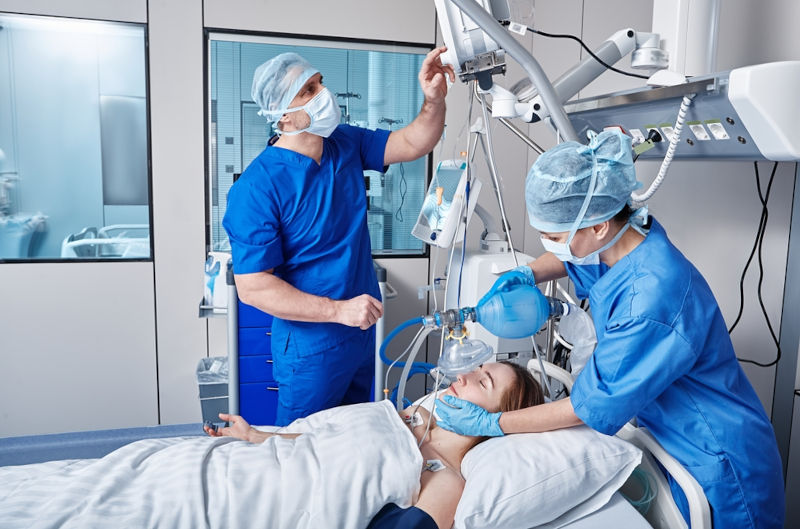
ICU nursing involves caring for the most critically ill or injured patients. These patients are usually facing life-threatening issues and require constant, close monitoring. The ICU nursing skills needed in this role are comprehensive and highly specialized.
Advantages of ICU Nursing Certifications
Holding an ICU nursing certification showcases your advanced skills and dedication to critical care nursing. It can enhance your credibility, increase your earning potential, and open doors to leadership roles. According to the American Association of Critical Care Nurses, certified nurses have improved job satisfaction and exhibit higher levels of clinical knowledge and expertise.
Types of ICU Nursing Certifications
There are several ICU nursing certifications available, depending on your career goals. These include:
- CCRN: Certification for Adult, Pediatric, and Neonatal Critical Care Nurses
- PCCN: Progressive Care Certified Nurse
- CCRN-K: Knowledge-based Critical Care Certification
- CCRN-E: TeleICU Acute/Critical Care Nursing Certification
Essential Nursing Skills for ICU
Advanced Cardiac Life Support (ACLS)
ACLS is one of the most important ICU nursing skills. It involves recognizing and responding to life-threatening emergencies, including cardiac arrest, stroke, and drug overdoses. Certified ICU nurses must have a deep understanding of ECG reading, drug administration, and immediate post-cardiac arrest care.
Patient Assessment and Care
ICU nurses must perform comprehensive patient assessments, including interpreting diagnostic tests, monitoring vital signs, and evaluating responses to treatment. They also need to be adept at procedures such as venipuncture, catheterization, and wound care.
Critical Thinking Skills
The ability to make quick, accurate decisions is essential in the ICU. Nurses must analyze complex information, anticipate potential complications, and devise effective care plans.
Communication Skills
Excellent communication is crucial in the ICU, where situations can change rapidly. Nurses must clearly communicate with the healthcare team, patients, and their families.
ICU Nursing Certification Preparations
Exam Eligibility and Requirements
Before sitting for the certification exam, you must meet specific eligibility requirements. These usually include an RN license, relevant work experience, and sometimes a professional reference.
Preparation Methods
Preparing for the exam involves comprehensive study and practice. Create a study plan, focusing on your weaker areas. Consider joining a study group, taking a prep course, or hiring a tutor if necessary.
Recommended Study Resources
There are numerous resources available to help with your study, including textbooks, online courses, practice exams, and flashcards. The AACN offers excellent resources, including the CCRN Exam Handbook and the AACN's online review course.
The Certification Exam: What to Expect
Exam Format and Duration
Most exams are computer-based and include multiple-choice questions. The number of questions and time allotted can vary. For instance, the CCRN exam has 150 questions and provides three hours to complete.
Key Areas Covered
The exam covers a wide range of topics, including cardiovascular, pulmonary, endocrine, and neurological care. You'll also be tested on professional caring and ethical practice.
Exam Day Tips
Arrive early, bring identification, and dress comfortably. Take your time reading each question and use elimination strategies to answer difficult ones.
Maintaining Your ICU Nursing Certification
Recertification Process
Certifications are usually valid for a few years. To maintain your certification, you'll need to document continuing education or retake the exam.
Continuing Education
Continuing education is vital to keep up-to-date with the latest developments in critical care nursing. Many professional organizations offer resources for ongoing learning.
Career Growth Opportunities
Once certified, you can explore advanced roles, including charge nurse, nurse manager, or nurse educator. Some nurses even go on to earn advanced degrees and become nurse practitioners or clinical nurse specialists.
In conclusion, obtaining an ICU nursing certification is a demanding but rewarding process. It requires a high level of dedication and a deep commitment to learning. But the payoff – in terms of career opportunities, professional satisfaction, and the profound difference you can make in patients' lives – is well worth it.
If you're ready to take the next step in your nursing career, check out our job board for opportunities in ICU nursing, or join our forum to connect with other nurses preparing for their ICU nursing certification.
Related Reading
Written by Brian Martinez
Brian is a psychiatric mental health nurse practitioner. He is passionate about mental health advocacy and reducing stigma around mental health disorders.
You might also like
Top ICU Nursing Certifications: Enhance Your Critical Care Skills
Hello NurseLife community! As an experienced nurse midwife, I've seen first-hand how critical care skills can make all the difference in patient outcomes. The ICU can be an intense and challenging environment, but with the right training, nurses can master the...
Comparing Essential ICU Nursing Skills and General Nursing Skills
As a nurse with over 20 years of experience specializing in surgical and perioperative care, I've seen the demanding requirements of various nursing specialties. One area that stands out is Intensive Care Unit (ICU) nursing. A specialized field, it requires a...
Career Paths for Certified ICU Nurses: A Comprehensive Guide
Hello, I’m Robert Smith, a certified critical care nurse with years of hands-on experience in ICU settings. Navigating the world of ICU nursing can be a rewarding yet daunting journey. In this blog post, I'll provide a comprehensive guide on the...
The Certification Process for ICU Nurses: A Comprehensive Guide
Hello, fellow nurses. I'm Karen Morris, BSN, RN, and I'm here today to share some of my professional expertise. With over 20 years in the nursing field, I've seen firsthand how critical ICU nursing skills can be. Today, we're going to...