Incorporating Critical Thinking in Clinical Practice: A Comprehensive Guide for Nurses

Introduction
Hello, fellow nurses. Mark Harris here, BSN, RN, CEN, your resident NurseLife expert. Today, we're going to delve into an often overlooked but crucial aspect of clinical practice - critical thinking. As healthcare professionals, we are constantly called upon to make split-second decisions that can have lasting impacts on our patients' lives. These decisions require more than just advanced clinical skills; they demand a high degree of critical thinking.
The Connection between Critical Thinking and Advanced Clinical Skills
Critical thinking is the ability to analyze and evaluate evidence, arguments, claims, and beliefs. It's a crucial skill in nursing because it drives accurate and timely decision-making, which is fundamental when it comes to delivering safe and effective patient care.
Advanced clinical skills, on the other hand, encompass a wide range of competencies that nurses need to provide specialized care. These can vary from advanced cardiac life support to neonatal resuscitation, and everything in between.
These two aspects are intertwined in daily clinical practice. For instance, when a patient suddenly goes into cardiac arrest, advanced clinical skills enable you to perform CPR effectively. But it's critical thinking that guides you to identify the possible cause of the arrest, anticipate complications, and devise a suitable treatment plan.
Exploring Nursing Specialties: ICU Nursing
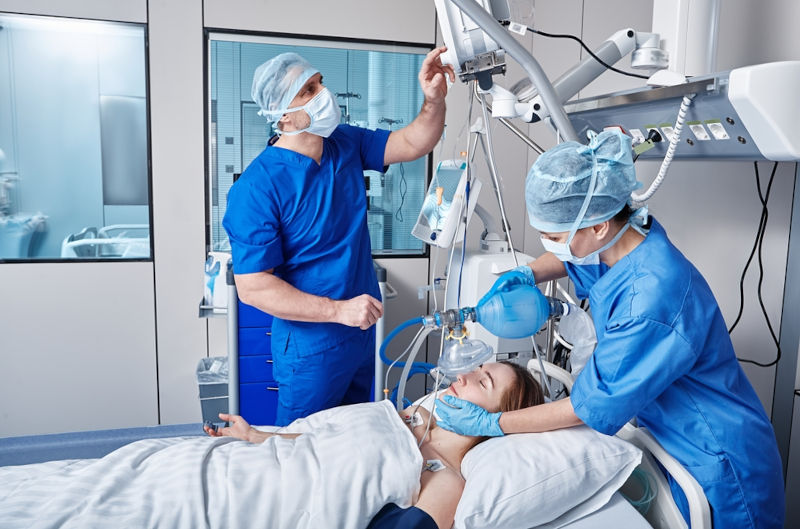
Now, let's take this discussion to a more specific nursing specialty – ICU nursing. ICU nurses are often faced with complex cases and unpredictable situations. One minute, you could be monitoring a stable patient, and in the blink of an eye, you could be dealing with life-threatening complications.
For example, imagine a patient with severe sepsis starts to show signs of deterioration - increased heart rate, low blood pressure, and confusion. Your advanced clinical skills will guide you to administer the prescribed medications, manage invasive lines, and possibly initiate mechanical ventilation. But what about the next steps? This is where critical thinking comes in.
You must quickly analyze the situation, consider the potential causes of the deterioration, and anticipate the patient's needs. Is it a septic shock? Are there other underlying conditions contributing to the situation? Should you prepare for intubation? These are the types of questions that critical thinking helps you answer.
Practical Tips for Incorporating Critical Thinking in Clinical Practice
So, how can you enhance your critical thinking skills in clinical practice? Here are some practical tips:
-
Reflect on your experiences: After each shift or critical incident, take a moment to reflect on the decisions you made. Could there have been a better alternative? This can help you identify areas for improvement.
-
Seek feedback: Don’t hesitate to ask for feedback from your colleagues or superiors. They can provide insights that you may have missed and can help you view situations from different perspectives.
-
Stay updated: Medical knowledge is continually evolving. Make it a point to stay abreast of the latest research and guidelines. This not only enhances your clinical skills but also your decision-making abilities.
-
Practice scenario-based learning: This technique involves imagining or discussing real-life scenarios and potential responses. It can help you anticipate situations and plan your actions, significantly enhancing your critical thinking abilities.
Conclusion
Critical thinking is not just a buzzword. It's an essential skill that can make a significant difference in patient outcomes. By coupling critical thinking with advanced clinical skills, you can navigate the complexities of clinical practice with confidence and precision, especially in specialized fields like ICU nursing.
Remember, critical thinking is a skill that can continuously be improved. Reflect on your experiences, seek feedback, stay updated, and practice scenario-based learning.
And if you're looking for new opportunities to flex your critical thinking muscles, check out the job listings on our jobs board. There's always a place for keen critical thinkers in the nursing world. Let's keep learning, growing, and pushing the boundaries of what's possible in our nursing careers.
Related Reading
Written by Mark Harris
Mark is a certified emergency nurse with a knack for fast-paced clinical settings. His articles provide practical insights into emergency care, trauma response, and disaster preparedness.
You might also like
Exploring Specialties: Oncology Nursing Overview and Skills
As a nurse, you are accustomed to being at the forefront of patient care, serving as an advocate, educator, and caregiver. From the fast-paced environment of the emergency room to the calm and composed demeanor required in a pediatric unit, there are countless...
Mastering Advanced Clinical Skills for Career Advancement in Nursing
Introduction to Advanced Clinical Skills in Nursing Hello there! I'm Emily Davis, MSN, CNM, and I'm here to guide you on your journey to mastering advanced clinical skills for career advancement in nursing. This journey is not just about clocking in...

No comments yet. Be the first to share your thoughts!