The Certification Process for ICU Nurses: A Comprehensive Guide

Hello, fellow nurses. I'm Karen Morris, BSN, RN, and I'm here today to share some of my professional expertise. With over 20 years in the nursing field, I've seen firsthand how critical ICU nursing skills can be. Today, we're going to delve into the certification process for ICU nurses. From understanding the role to maintaining and advancing your certification, we'll cover every aspect of this challenging but rewarding career path.
Understanding the Role of an ICU Nurse
Defining ICU Nursing
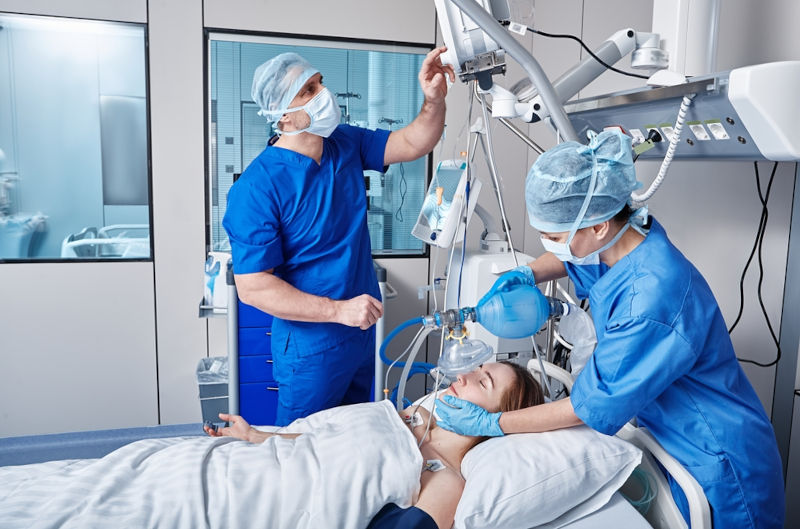
ICU nursing, or critical care nursing, involves the care of patients with life-threatening injuries or illnesses. These patients are often the most fragile, requiring constant, close monitoring and immediate intervention. ICU nursing isn't for the faint of heart, but it's an indispensable role in healthcare.
Roles and Responsibilities in ICU Nursing
As an ICU nurse, you'll wear many hats. You'll be a patient advocate, a communicator, a decision-maker, and a life-saver. You'll monitor patient vitals, administer medications, and work closely with doctors to develop care plans.
The Importance of ICU Nursing Skills
ICU nurses are often the first line of defense when a patient's condition worsens. Your ability to recognize subtle changes in a patient's condition and take quick, decisive action can make the difference between life and death. This is why having robust ICU nursing skills is so crucial.
Essential Skills for Critical Care Nursing
Technical ICU Nursing Skills
ICU nurses need to have a variety of technical skills, from inserting IVs and managing ventilators to monitoring complex medical equipment. You'll also need to be proficient in interpreting EKG readings, lab results, and other diagnostic information.
Communication in Critical Care Nursing
As an ICU nurse, you'll interact with doctors, fellow nurses, patients, and family members regularly. You'll need to be able to communicate clearly and effectively, both verbally and in writing.
Critical Thinking and Decision-Making Skills
In the ICU, situations can change rapidly, and you'll need to make quick decisions based on complex information. You'll need strong critical thinking skills to analyze patient information, identify problems, and decide on the best course of action.
Preparing for ICU Nurse Certification
Prerequisites for Certification
Before you can become a certified ICU nurse, you'll need to have a valid RN license and at least two years of full-time experience as an RN, with at least 1,750 hours in direct bedside care of critically ill patients in the past two years.
Choosing the Right Certification Program
The American Association of Critical-Care Nurses (AACN) offers two certification programs for ICU nurses: the CCRN (Certification for Adult, Pediatric, and Neonatal Critical Care Nurses) and the PCCN (Progressive Care Certified Nurse). Choose the one that best fits your career goals and patient population.
Study Strategies for Success
Preparation is key to passing your certification exam. Review the exam content outline, use study guides, and consider joining a study group. Don't forget to practice with exam simulators to get a feel for the exam format.
The Certification Process for ICU Nurses
Overview of the Certification Process
Once you've met the prerequisites and chosen your certification program, you'll need to apply for the exam, schedule your exam date, and then take the exam.
What to Expect During the Exam
The certification exam will test your knowledge of critical care nursing, including clinical judgment, nursing skills, and patient care. Expect to answer multiple-choice questions based on case studies and patient scenarios.
Post-Exam: Next Steps After Certification
After passing the exam, you'll receive your certification, which is valid for three years. Now you're officially a certified ICU nurse!
Maintaining and Advancing Your ICU Nurse Certification
Requirements for Maintaining Certification
To maintain your certification, you'll need to renew it every three years. This typically involves completing a certain number of continuing education units (CEUs) and providing proof of ongoing employment in a critical care setting.
Continuing Education Opportunities
Continuing education is a crucial part of ICU nursing. It keeps your skills sharp and your knowledge current. There are many opportunities for continuing education, from workshops and conferences to online courses and webinars.
Career Advancement Options for Certified ICU Nurses
Once you're certified, many doors open up. You could specialize further, become a nurse educator or a nurse manager, or even pursue advanced practice roles like Nurse Practitioner or Clinical Nurse Specialist.
The journey to becoming a certified ICU nurse is challenging, but with dedication and the right preparation, it's within reach. Remember, you're not just gaining credentials; you're honing essential nursing skills that could save lives. If you're ready to take the next step in your nursing career, check out these ICU nurse positions or join the conversation in our forum. Let's continue to shape the future of healthcare together.
Related Reading
Written by Karen Morris
Karen has over 20 years of experience in the nursing field, specializing in surgical and perioperative care. She is passionate about sharing her knowledge with up-and-coming nurses and helping to shape the future of healthcare.
You might also like
Top ICU Nursing Certifications: Enhance Your Critical Care Skills
Hello NurseLife community! As an experienced nurse midwife, I've seen first-hand how critical care skills can make all the difference in patient outcomes. The ICU can be an intense and challenging environment, but with the right training, nurses can master the...
Comparing Essential ICU Nursing Skills and General Nursing Skills
As a nurse with over 20 years of experience specializing in surgical and perioperative care, I've seen the demanding requirements of various nursing specialties. One area that stands out is Intensive Care Unit (ICU) nursing. A specialized field, it requires a...
Career Paths for Certified ICU Nurses: A Comprehensive Guide
Hello, I’m Robert Smith, a certified critical care nurse with years of hands-on experience in ICU settings. Navigating the world of ICU nursing can be a rewarding yet daunting journey. In this blog post, I'll provide a comprehensive guide on the...
Preparing for ICU Nursing Certifications: A Comprehensive Guide
As a mental health nurse practitioner, I understand the significance of specialized nursing skills. Today, we'll delve into one of the most challenging yet rewarding specialties – Intensive Care Unit (ICU) nursing. We'll cover the importance of ICU nursing certifications, the essential...


No comments yet. Be the first to share your thoughts!