A Comprehensive Guide to a Day in the Life of an ER Nurse
Introduction
Welcome to the fast-paced world of emergency nursing, where every moment counts and every decision can make a life-saving difference. As an ER nurse, you are the frontline hero, the calming presence in chaos, and the beacon of hope for those in their darkest hour. Join me, Karen Morris, BSN, RN, as I take you through a typical day in the life of an ER nurse, from sunrise to sunset.
Morning Shift
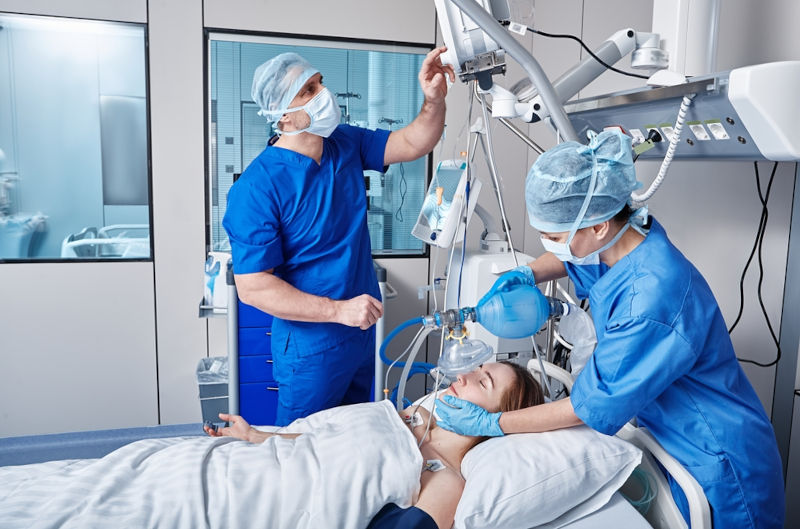
The day starts early for an ER nurse. As the sun rises, the ER comes to life with a flurry of activity. During the morning shift, we prepare for the day ahead by reviewing patient charts, restocking supplies, and briefing with the outgoing nurses about any critical cases. The morning rush typically brings in a mix of patients - from those with minor injuries to others in critical condition. As an ER nurse, you must be ready to think on your feet, prioritize care, and collaborate closely with the healthcare team to deliver timely and effective treatment.
Afternoon Shift
By midday, the ER is buzzing with energy. The afternoon shift brings its own set of challenges, with an influx of patients seeking care for various ailments. From trauma cases to sudden illnesses, each patient requires swift assessment, intervention, and compassion. As an ER nurse, you are not just a caregiver but also a communicator, advocate, and educator. Your ability to multitask, stay calm under pressure, and adapt to rapidly changing situations is crucial during the afternoon shift.
Evening Shift
As the day transitions into evening, the pace in the ER may slow down, but the intensity often picks up. The evening shift brings a unique set of cases, including psychiatric emergencies, overdose patients, and those seeking care after accidents. As an ER nurse, you must remain vigilant, attentive, and empathetic, even during the late hours of the night. Your expertise in triaging patients, administering medications, and providing emotional support shines through during the evening shift.
Challenges and Rewards
Working as an ER nurse comes with its share of challenges and rewards. The fast-paced environment, high-stress situations, and emotional toll can take a toll on your well-being. However, the sense of fulfillment, the camaraderie with colleagues, and the impact you make on patients' lives make it all worthwhile. One of the ways to enhance your skills and knowledge as an ER nurse is by pursuing certifications such as the Certified Emergency Nurse (CEN) certification. This specialized certification equips you with the expertise to handle complex cases, improve patient outcomes, and advance your career in emergency nursing.
Conclusion
In conclusion, being an ER nurse is not just a job - it's a calling. Each day brings new challenges, experiences, and opportunities to make a difference in the lives of others. As you navigate through the highs and lows of emergency nursing, remember that your dedication, resilience, and compassion are what truly define you as an exceptional ER nurse. Embrace the chaos, cherish the victories, and continue to grow as a healthcare professional dedicated to saving lives one shift at a time.
Are you ready to embark on an exciting career as an ER nurse? Explore job opportunities in emergency nursing on our RNloop jobs board and take the first step towards a rewarding career in healthcare: RNloop Jobs Board.
Related Reading
You might also like
 Licensing
Nursing License Renewal: What You Need to Know
A comprehensive guide to renewing your nursing license and maintaining your credentials.

Top 10 Interview Questions for Nurses
Prepare for your next nursing interview with these commonly asked questions and expert answers.
Work-Life Balance Tips for Nurses
Strategies for maintaining your wellbeing while working in the demanding nursing profession.
Incorporating Critical Thinking in Clinical Practice: A Comprehensive Guide for Nurses
Introduction Hello, fellow nurses. Mark Harris here, BSN, RN, CEN, your resident NurseLife expert. Today, we're going to delve into an often overlooked but crucial aspect of clinical practice - critical thinking. As healthcare professionals, we are constantly called...
No comments yet. Be the first to share your thoughts!